This bike is an adventure

This bike is an adventure

My four going on five year-old loves riding bikes. He won’t always admit it or talk about it, but get him on the bike and he has a blast. He loves pump tracks, riding on trails, and just riding in general. Yesterday we had what he called “a long adventure” where we basically spent the entire first half of the day on a mix of my bike, both our bikes, and trying out a potential new bike (more on that later).

One of the great things about Portland is that it affords us the ability to carry out these adventures without needing a car. I pop his bike on my bike, he gets on my bike’s rear seat, and we go. Portland’s greenway system allows me to ride on neighborhood streets with fewer cars thanks to modal filters and slower speeds.

Our first stop is one of our favorite bakeries for cinnamon rolls. We plan out the rest of our trip and I’m informed of an elaborate plan to be park maintenance workers who use bikes to get to their jobs. Apparently the park we are going to has had a bunch of kids throwing bark chips out of the play area and our job is to clean it up. The imaginative play is fun, though sometimes I have to remember all of the details.

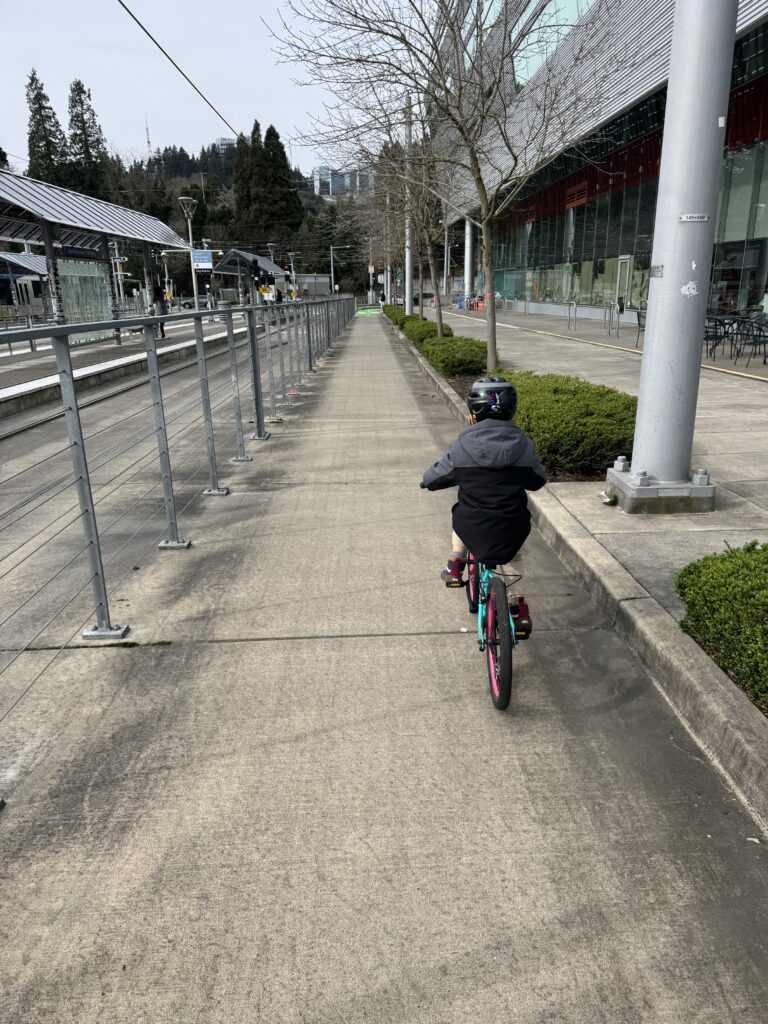
We ride across the Tilikum Bridge, find a place to park and I take his bike off of mine, make sure he’s all set. Then he’s off. There is some decent protected biking in this area of town but still some interactions with cars and public transit so I have to keep up with him and give instructions at areas where conflicts may occur. Eventually we make it to a pedestrian only path and he finds his stride, looking for bumps in the sidewalk he ride over and exclaim “I jumped that one!”.
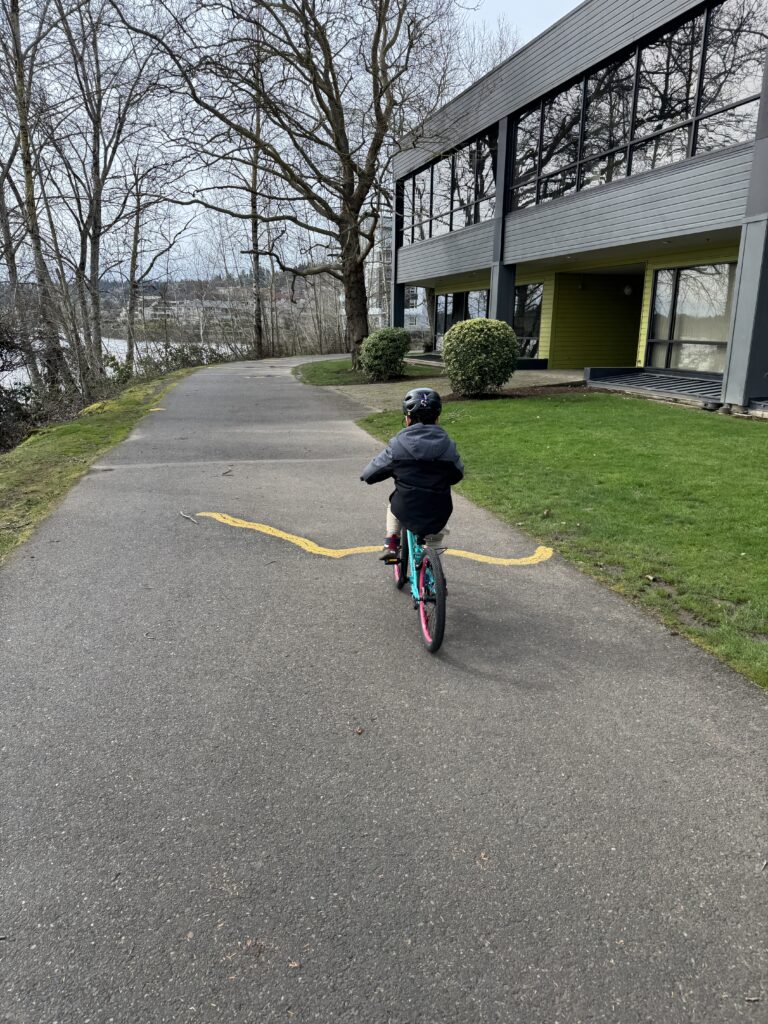
Riding over bumps "to get some air!"

20 minutes later and we make it to the park where a bunch of running and slide usage happens until he remembers the two massive trees that he can climb and then he’s working as a weatherman looking for hurricanes. We talk about warning everyone of an impending storm and then laugh at the geese as they waddle past us and honk.

Then it is time to head to a local bike shop to test ride a front loader. The long tail is great, but the kiddo is getting big, wanting to bring his bike along on more trips, and having a front loader would just make it easier. We say hello to the shop dog, then discuss options with the staff. We end up on a Larry vs Harry eBullitt and have a blast riding it around for a bit. The eBullitt is a sporty bike for how big it is and it might end up being our choice just because of its price and flexibility.

Then it’s back home for a snack and some resting. On the way it is exclaimed, “Dad, that was a long bike adventure!”.

Get the bike, go on the ride, take your kids.
Middle-Sized Wars

From Foreign Affairs

A danger sign that a small war or military action might expand into a middle-sized war is when there is too much talk about geopolitics and not enough about local cultural and political conditions. The historian Barbara Tuchman has argued that the United States would have done much better in Vietnam if it had thought less geopolitically and more locally. The biggest U.S. foreign policy fiascos happened because policymakers were obsessed with regional and global consequences they often could not properly manage, and thus ignored critical conditions on the ground. In Vietnam, U.S. leaders overlooked the history and nature of Vietnamese nationalism; in Iraq, it was sectarianism.

During his time as chairman of the Joint Chiefs of Staff in the early post–Cold War era, Colin Powell, who later served as U.S. Secretary of State, argued that the United States should not commit to a war unless it has overwhelming force, an exit strategy, a vital national interest, a clear objective, and broad support. This idea, which became known as the Powell Doctrine, has been sidelined in recent years. Yet it remains relevant. Perhaps the ultimate objective of the Powell Doctrine was not to avoid defeat, per se, but to avoid middle-sized wars. And for great powers such as the United States, avoiding middle-sized wars means being very careful about the small wars it gets involved in.

It’s worth signing up for the newsletter for the full article.

United’s latest MileagePlus changes lose the plot

United’s latest MileagePlus changes lose the plot

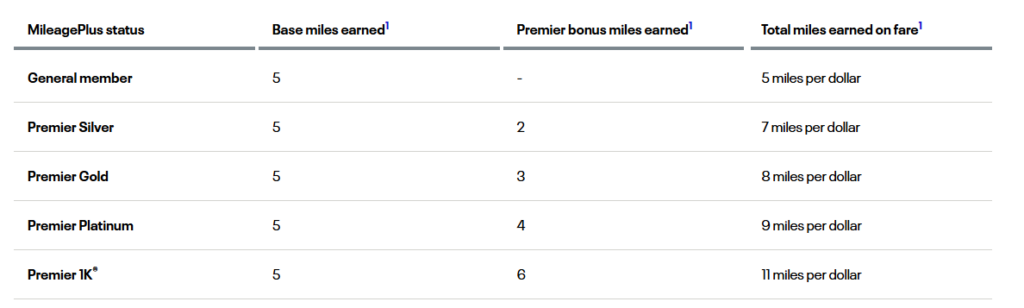
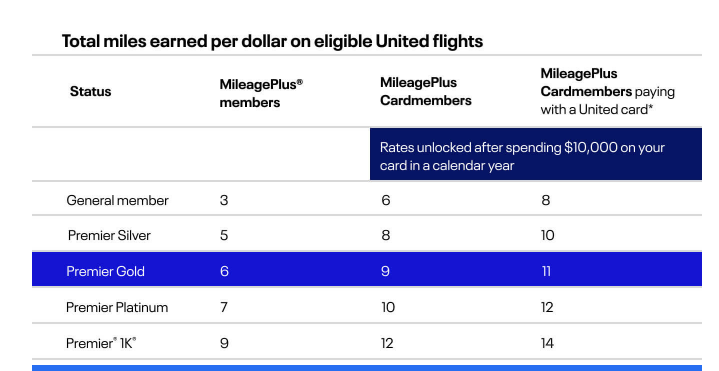
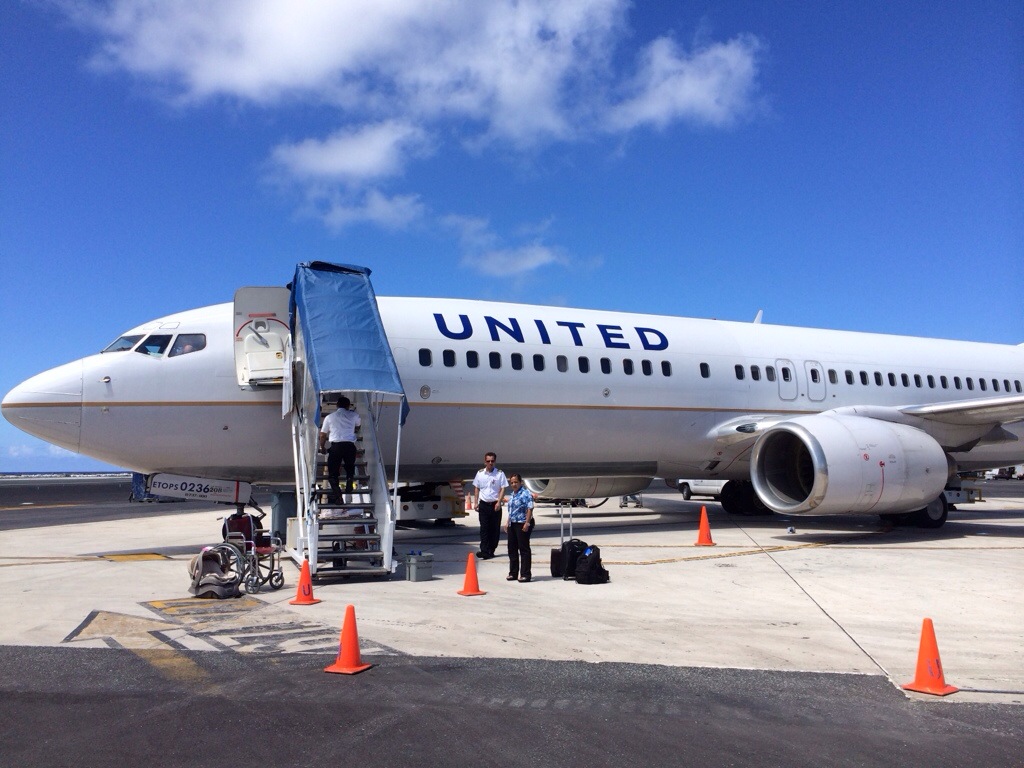
United sent out a notification to MileagePlus members that earning redeemable miles on United will be changing. As of April 2, 2026, MileagePlus members will earn fewer miles per dollar spent, unless they have one of the United MileagePlus credit cards that has an annual fee. If the member has the free United Gateway card, they can also receive the bonus redeemable miles by spending $10,000 annually on that card.

Right now, earnings for MileagePlus members look like this, per dollar spent on a trip:

The announced updates to earning look like this:
United MileagePlus Changes

Calling this a downgrade would be generous. United’s reward prices have become downright atrocious in the last couple of years, so reducing earning is a hard pill to swallow. And I think this is where United has lost the plot, they think people aren’t getting or using their United credit cards because there isn’t an incentive to use them, when in reality, the currency has taken such a hit that people don’t see the value in using the card to earn United miles. Those folks are earning on Chase or CapitalOne or Amex premium cards in a fungible currency that can be used across carriers and doesn’t lock them into a single program.

Just trying to find reward space on partners using United miles is a very difficult task these days. Getting that availability at a reasonable price is a unicorn. United leadership needs to take a step back, look at pricing on rewards, including the “dynamic” aspect and rethink what the value is for the travelers who fly their airline. If a traveler is paying attention, they aren’t going to utilize your cards when your redemption rates are outrageous.

On that note, one more small detail in the announcement is that cardholders will get access to a 10% discount on reward prices (the Gateway card users need to spend $10k/year for this feature). If you are a cardholder and a MileagePlus elite member, the discount is 15%. The caveat is that you must use the card to pay the taxes and fees on the reward to receive the discount.

This comes down to United wanting to grow their credit card base and increase revenue without really offering anything. You get more miles, but only a few, after they reduced the miles earned for everyone. It’s all about profitability and growth and the constant requirement to show those two things. What makes me worried is that United doesn’t seem to understand that if the cards aren’t adopted that isn’t a traveler problem, that’s a United problem.